Rainbow Sunflower Equality Embroidery Design Review
A First Impression: Vibrant, Welcoming, and Full of Hope
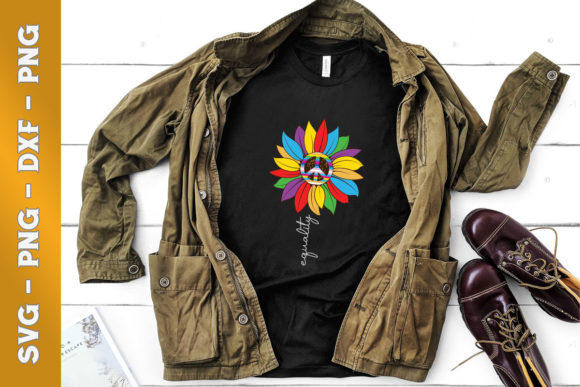
When I first opened the Rainbow Sunflower Flower Equality design files, the immediate feeling was one of cheerful optimism. This isn't a generic floral motif; it's a statement piece with personality. The central sunflower anchor, framed by a soft rainbow arc and crowned with the word "Equality," creates a balanced, uplifting composition. The mood is inclusive and warm, perfect for projects meant to convey support, joy, or a message of community. The layout feels intentional—the elements aren't crowded, which is a huge plus for embroidery where overly dense designs can become muddy. Visually, it belongs on products meant to be seen, worn, and shared.
Where This Design Shines in Real Projects
In my studio, I think through a design's application immediately. Rainbow Sunflower Flower Equality naturally lends itself to custom apparel that carries a message. Imagine it embroidered on the front of a soft, cotton sweatshirt—it becomes a wearable symbol. For small business owners, this design could elevate a simple tote bag into a standout boutique product, especially for markets or shops with a community-focused brand. As a personalized gift, embroidered onto a linen pillow cover or a kitchen towel, it feels thoughtful and meaningful.
For crafters and Etsy sellers, the appeal is broad. It would be a beautiful addition to baby items, like a delicate bib or a nursery blanket, suggesting a welcoming world. It also translates wonderfully into a standalone patch, which could be applied to caps, aprons, or jackets, offering versatility. In my experience, designs with this level of thematic clarity help customers connect with a product instantly, boosting engagement in online listings and at craft fairs. The inclusion of common vector files like SVG and DXF means it's adaptable for digital product previews and printable mockups, which is crucial for sellers.
Handling the Stitching: Practical Execution Notes
Moving from the screen to the hoop requires a practical eye. The design's strength is its clear separation of elements: the sunflower center, the petals, the rainbow bands, and the text. This suggests it will stitch out with good clarity if managed correctly. I would pay close attention to the stitch density in the sunflower's fill areas; testing on scrap fabric first is essential to ensure it doesn't become too heavy, especially on lighter fabrics like t-shirts. The word "Equality" is a key detail—its stitch clarity on the final product will define the design's professionalism. On curved surfaces like caps, the arched rainbow layout should adapt well, but I'd always recommend using a proper stabilizer for such projects to maintain the shape.
Thread color choice is where you can truly customize this machine embroidery design. The rainbow suggests a spectrum, but you could use more subdued tones for a vintage look or bright, bold threads for maximum impact. Contrast is vital, particularly if stitching on dark fabric. Always run a test in a black-and-white mockup to see how the values hold up, and physically test on both light and dark fabric texture backgrounds before committing to a client project.
Considerations for Optimal Use and Placement
While versatile, some applications require careful thought. On very small hoop sizes, the finer details, especially in the lettering, might lose definition—this design likely benefits from a medium to larger scale to let all components breathe. On stretchy fabric or thin materials, the combined area of the sunflower and rainbow could pose a challenge if the density is high; a robust stabilizer strategy is non-negotiable here. For products destined for frequent washing, like baby clothes or kitchen towels, simplifying the thread color count (while keeping the visual effect) might increase durability.
It's also worth considering the end-use context. This design carries a positive message, making it excellent for holiday gifts, wedding gifts for a progressive couple, or merchandise for community events. Its visual appeal directly influences perceived product value; a clean, precise embroidery finish will enhance customer trust and the handmade presentation. For commercial embroidery projects, consistency across multiple items, like a series of tote bags, would help build strong brand consistency.
Essential Pre-Use Checklist for Designers & Makers
Before loading this embroidery file for a real project, I follow my own routine. First, I inspect the small details in the provided files on screen, zooming in on the junctions between the rainbow and the flower. Then, I'd stitch a sample on my intended fabric—not just a scrap, but a piece of the actual garment or item material. This reveals how the fill stitch areas behave and whether any satin stitch borders (if present) are smooth.
- Confirm the physical hoop size needed for your desired final size.
- Check thread color contrast against your fabric.
- Review the overall stitch density by observing the test stitch-out.
- Use the appropriate stabilizer for your fabric type.
- Consider the licensing: while the included file formats suggest flexibility, always verify the terms for using the design in personal and commercial projects before selling finished items or digital products.
This groundwork turns a good digital asset into a flawless finished product.
The Final Verdict: A Design with Heart and Utility
Rainbow Sunflower Flower Equality stands out as more than just a T-Shirt Design or a graphic. It's an embroidery design with emotional resonance and practical utility. For the creative entrepreneur, it offers a way to create products that feel both beautiful and meaningful. Its success on an embroidered item—whether a cozy sweatshirt, a statement tote, or a heartfelt gift—will hinge on that careful transition from digital file to physical stitch. With proper testing and thoughtful application, this design can become a staple in your portfolio, capable of elevating your craft business offerings and engaging buyers looking for something special. It reminds us that in embroidery, the best designs are those that stitch not just onto fabric, but into the story of the item and the person who will use it.