A Designer's Hands-On Review of the Mommy Little Rainbow
The First Impression: Where This Rainbow Lands
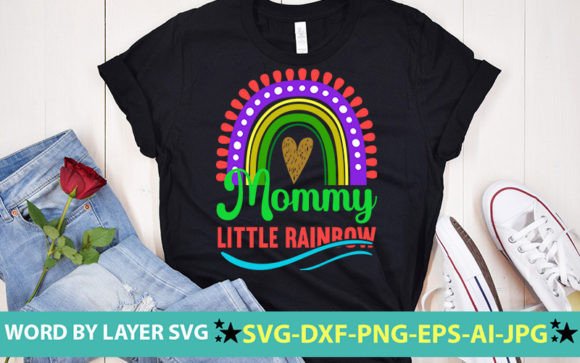
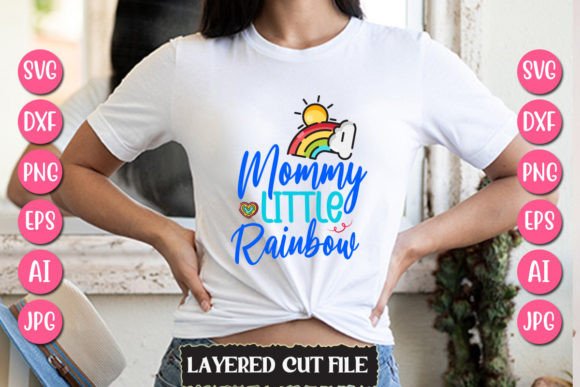
When I first opened the Mommy Little Rainbow file, the immediate feeling was warmth and gentleness. This isn’t a bold, graphic storm of color; it’s a soft, welcoming arc. The shape is classic, but the execution feels personal. As an embroidery design, it’s clearly destined for projects that speak to connection, care, and celebration. You can visualize it stitched on a baby’s blanket or a cozy sweatshirt before you even thread the machine. It belongs squarely in the world of heartfelt handmade products and personalized gifts.
Real-World Embroidery: Seeing It Come to Life
Let’s walk through a typical scenario. Imagine a client orders a custom embroidered tote bag as a baby shower gift. They want something sweet, not saccharine, and durable enough for daily use. You pull up Mommy Little Rainbow and start planning. The layered SVG and high-resolution PNG provided mean you can easily scale it for the bag’s dimensions without losing detail. On a natural canvas tote, this design would stitch out with a lovely clarity. The rainbow’s bands offer perfect sections for playing with thread colors, allowing for personalization. The result wouldn’t just be a bag; it’d feel like a finished product with a story.
This versatility extends beautifully. On a baby jersey for a custom apparel boutique, it becomes a delicate accent. On a embroidered patch for a backpack, it’s a cheerful identifier. As a focal point on a pillow cover for nursery decor, it creates a serene mood. For an Etsy seller creating holiday gifts like monogrammed tea towels, adding this rainbow above a name transforms a simple item into a cherished heirloom. The design’s visual personality is inherently giftable, which is a huge plus for craft business items.
A Note on Stitching Clarity and Product Value
In practical stitching, the design’s success hinges on its detail level. The provided dimensions suggest good scale for embroidery, but the real test is in the density. For a design like this, areas meant to be solid color fills need appropriate stitch density to look clean and professional on textured fabrics like sweatshirts or blankets. A crisp satin stitch outline for the rainbow shape would make it pop, while a fill stitch inside the bands should be dense enough to prevent fabric show-through, especially on darker backgrounds. This attention to execution directly impacts customer trust and perceived product value. A well-embroidered rainbow feels premium; a poorly executed one feels cheap.
Where to Use It, and Where to Be Cautious
This design is a friend to many projects, but it demands thoughtful application. It shines on stable, medium-weight fabrics: cotton tote bags, canvas aprons, quilted pillow covers, and standard t-shirts. These surfaces give the embroidery a solid foundation.
I would proceed more carefully in a few key situations. On very small hoop sizes, the design’s graceful curves might lose their smoothness if reduced too drastically. On stretchy fabric like certain baby knits or performance tees, you’ll need the right stabilizer to prevent distortion. Embroidering on dark fabric requires bright, high-contrast thread choices to keep the rainbow vibrant. And on curved surfaces like caps, the arched shape could be challenging to position perfectly without puckering. For products destined for frequent washing, like kitchen towels, a robust stitch density and quality thread become non-negotiable to maintain that handmade presentation over time.
The Commercial Perspective: For Shop Owners and Makers
For the small business owner or digital product seller, Mommy Little Rainbow functions as a reliable design asset. Its theme is universal yet personal, making it easy to integrate into a brand consistency focused on family, joy, or celebration. Using the high-quality vector files, you can create printable mockups for your website or Etsy listings that show the design in context, boosting buyer engagement. However, a crucial step for any commercial embroidery use is to confirm the licensing terms provided with the files. Understanding whether you can sell the finished embroidered items, or use the design in your own digital embroidery file bundles, is essential for professional, legal operation.
Practical Designer Notes Before You Hoop the Fabric
Before committing this design to a client project or your best-selling sweatshirt, run these practical checks. Always test the design on scrap fabric first, using the same material and color as your final product. This reveals how the stitch density interacts with your specific fabric texture. Check thread color contrast rigorously; a rainbow on a pale pink background needs a different palette than one on navy blue. Review the small details in the file preview—are the inner arcs distinct enough to stitch cleanly? Test it in black and white mockups to evaluate its form separate from color, which helps assess its strength as a graphic. And finally, inspect the provided file formats yourself. The listing mentions SVG, EPS, and PNG files, which are excellent for scalability and previews, but you must ensure the specific machine embroidery design format you need (like .PES, .DST, etc.) is included or convertible from these vectors for your equipment. Don’t assume; verify.
Final Judgment: A Rainbow Worth Stitching
Mommy Little Rainbow earns its place in the toolkit of a pragmatic designer. It’s not just a graphic; it’s a mood-setter for a range of projects that require a touch of sincere charm. Its strength lies in its emotional resonance, which translates directly into visual appeal on finished goods. When embroidered with care on appropriate products, it elevates a simple item into a meaningful personalized gift or standout small shop merchandise. For the creative entrepreneur, it offers a versatile starting point for countless embroidery projects. Approach it with the practical steps outlined, respect its technical requirements, and this little rainbow will shine brightly in your real-world work.