A Real Designer’s Look at You Are Your Own Rainbow
First Impressions: Mood and Personality
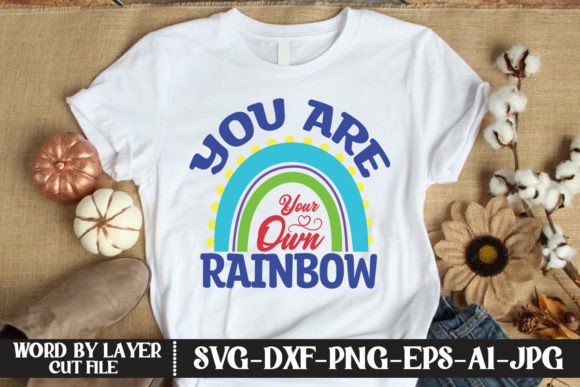
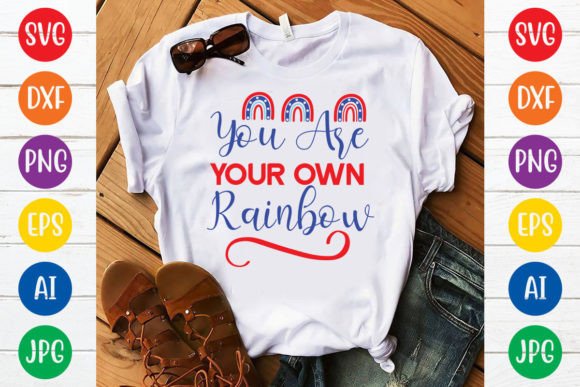
When you first open You Are Your Own Rainbow, the mood is immediately clear. It’s uplifting, personal, and carries a gentle sense of empowerment. The design isn’t a literal rainbow; it’s a statement wrapped in a typographic layout. The visual personality feels modern, a bit whimsical, and deeply human. It’s not overly detailed, which is a good sign for embroidery—it promises clean lines and distinct lettering without tiny, fussy elements that can blur under stitches.
This design naturally belongs to projects meant to convey warmth and individuality. Think of a custom embroidered sweatshirt for a friend, a tote bag for a boutique, or a pillow cover for a cozy nursery. It doesn’t scream "holiday" or "wedding"; it whispers "personal gift" and "meaningful merchandise." For small business owners, especially those selling on Etsy or at craft fairs, this kind of design connects because it feels like a message, not just a graphic.
Where This Design Performs Beautifully
In real-life embroidery, I’d lean toward projects where the statement can be read clearly and the texture of the stitches adds to its charm. A mid-weight cotton sweatshirt or a sturdy canvas tote bag would be perfect. The letters would stand out with nice satin or fill stitches, and the overall layout would sit comfortably on a flat panel. For baby clothes, like a romper or a blanket, it could be sweet, but you’d want to scale it appropriately so it doesn’t overwhelm the small item.
As a patch, this could be fantastic. Appliqué the background fabric and then embroider the text over it for a rich, layered look. For kitchen towels or aprons, it adds a personalized touch that turns a utilitarian item into a thoughtful gift. In my own work, I imagine using this for a special order—a client wanting a "just for you" gift for a milestone. Embroidered on a nice linen pillow cover, it becomes a piece of home decor with sentiment.
For commercial embroidery projects, like a small batch of caps for a local brand or uniform tote bags for a shop, the design is straightforward enough to run efficiently. It’s also a strong candidate for digital product sellers and craft businesses as a design asset for printable mockups, helping visualize the finished product before stitching.
Caution Areas: Where to Be Careful
Not every fabric or surface is ideal. On very textured fabrics like some knits, the clarity of the lettering could suffer. On thin, stretchy fabrics without proper stabilizer, the stitch density might cause puckering. Dark fabric backgrounds require careful thread color selection for contrast—this design needs to pop, not hide.
The curved surface of a cap is a tricky one. The arched text layout might need adjustment to fit the curve naturally; otherwise, it could look distorted. Also, if the design file has very small details in the lettering corners, they might get lost or become brittle in embroidery, especially on items that need frequent washing, like baby clothes or kitchen linens. Always test on a scrap first.
Small hoop sizes could be a limitation. If the design is large and you’re trying to fit it on a small baby item with a tiny hoop, you might need to scale it down significantly, which could affect stitch density and detail integrity.
Practical Notes for the Working Designer
- Test First: Always run this embroidery file on a scrap of your actual project fabric. Check for thread color contrast, especially if using light thread on dark fabric or vice versa.
- Stitch Density: Review how dense the fill areas are. Too dense on lightweight fabrics can cause problems.
- Hoop & Stabilizer: Confirm your hoop size can accommodate the design at your desired scale. Use the appropriate stabilizer for your fabric type—this is non-negotiable for clean results.
- Small Details: Inspect the file closely. Are there any overly tiny elements in the text? They might need simplifying for stitching.
- Mockups: Test the design in black and white mockups to see how it reads purely as shape. Compare it on light and dark background previews.
- Commercial Use: The download includes an Ai and an SVG file. This suggests it’s meant for digital manipulation. However, always confirm the licensing terms before selling finished embroidered items or using it in commercial embroidery projects. The product description doesn’t specify license details, so that’s a vital step.
The Impact on Your Product and Your Customer
Using You Are Your Own Rainbow well elevates your work. The stitching clarity translates directly to visual appeal. A cleanly embroidered version on a nice garment feels professional and valuable. It builds customer trust because the craftsmanship is evident.
For handmade presentation, this design adds a layer of thoughtfulness. It’s not generic; it feels curated. That boosts giftability and recognition. For a creative entrepreneur, it can become part of a brand consistency if your shop focuses on uplifting, personal messages. It engages buyers because it tells a story they might want to wear or give.
Ultimately, this isn’t just an embroidery file; it’s a potential centerpiece for a meaningful product. Whether you’re embroidering it for a loved one or for your small shop merchandise, its success hinges on your practical choices: the right fabric, the right stitch settings, and the right intention. Approach it with the care you give any good design, and it will shine.